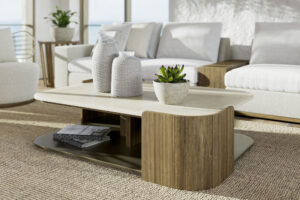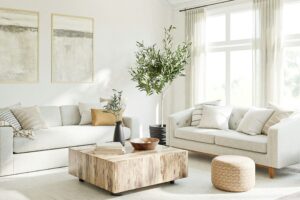


When it comes to crafting a truly memorable living or working environment, the role of furniture extends far beyond its practical use. Interior designer furniture is created to blend functionality with visual appeal, offering not only comfort and usability but also a sense of artistry that elevates a space. Today, more homeowners and businesses are seeking out designer-approved furniture pieces that strike this delicate balance. Whether sourced through a trusted furniture store or chosen with the help of an interior designer resource, these items can transform ordinary rooms into inspiring spaces that feel both beautiful and purposeful.
The Philosophy Behind Interior Designer Furniture
Furniture created with an interior designer’s insight carries a philosophy rooted in intention. Each piece is selected or designed not just to occupy space but to serve as a focal point, a conversation starter, or a subtle complement to the existing architecture. Unlike mass-produced items, interior designer furniture is carefully chosen to harmonize with color palettes, lighting, textures, and the flow of the room.
An experienced designer views furniture as a storytelling element. A sleek Italian sofa, for example, might communicate sophistication, while a rustic reclaimed wood dining table can suggest warmth and authenticity. The philosophy is never about adding items for the sake of filling a room but rather about curating furniture that reflects the personality of the inhabitants while maintaining balance between aesthetic beauty and day-to-day functionality.
Why Functionality Matters in Design
The word “designer” often evokes thoughts of luxury, style, and exclusivity. Yet the most celebrated pieces of interior designer furniture succeed because they prioritize functionality as much as they do form. A chair may look striking, but if it is uncomfortable to sit in, it fails its purpose. Similarly, a table might have an extraordinary sculptural presence but prove impractical if it cannot accommodate basic use.
Designers who work closely with trusted furniture store collections and specialized suppliers understand this challenge. They evaluate not just how a piece looks but also how it will serve the people using it. Will a family benefit from a sofa that is both stylish and durable enough to withstand children and pets? Will a corporate office gain more productivity from ergonomic desks and chairs that enhance comfort during long workdays? These questions highlight the importance of a design process rooted in real-life application.
By putting functionality first, interior designer furniture remains timeless. Pieces are not chosen solely to follow fleeting trends but rather to provide long-term comfort, usability, and versatility.
The Role of an Interior Designer Resource in Curation
One of the most valuable tools for homeowners and business owners seeking designer-approved furniture is the use of an interior designer resource. These resources range from professionals offering consultation services to curated platforms that highlight furniture collections vetted by design experts.
Interior designers act as translators between personal vision and practical execution. They understand spatial dynamics, color theory, and the way materials interact with one another. More importantly, they can identify which pieces from a furniture store or bespoke workshop align with the client’s lifestyle and design goals.
For those navigating the furniture-buying process on their own, trusted interior designer resources can provide guidance that prevents costly mistakes. Instead of purchasing items impulsively, clients gain access to curated suggestions that ensure each addition contributes to the overall harmony of the space. This curation is particularly essential in larger projects, such as office spaces, retail environments, or full-home redesigns, where the combination of multiple furniture pieces requires careful orchestration.
The Furniture Store as a Gateway to Design Excellence
While designer-approved furniture often conjures images of exclusive studios and custom workshops, the modern furniture store has evolved to become an accessible gateway to design excellence. Many high-quality stores now collaborate with designers to bring elevated collections to the public. These showrooms allow clients to experience the craftsmanship firsthand, test comfort levels, and explore how different pieces might integrate into their own spaces.
A well-curated furniture store functions like an art gallery, where each piece tells a story of design philosophy, material selection, and innovation. For customers working without an interior designer, these stores often provide in-house consultants who can guide the decision-making process. The blend of accessibility and expertise ensures that customers are not just buying furniture but investing in items that enhance their environments in meaningful ways.
In addition, the connection between furniture stores and interior designer resources creates a collaborative ecosystem. Designers recommend specific stores for their reliability and craftsmanship, while stores benefit from showcasing pieces in environments where they are thoughtfully placed and celebrated. This synergy ensures that customers have access to the best of both worlds: professional guidance and tangible shopping experiences.
Aesthetic Impact on Everyday Living
The fusion of functionality and aesthetics in interior designer furniture is ultimately about enhancing everyday life. A beautifully designed piece can elevate the mood of a room, inspire creativity, and foster a sense of belonging. The right sofa can make family gatherings more intimate, while a well-chosen desk can turn a home office into a place of focus and productivity.
Design affects human psychology in subtle but powerful ways. Clean lines, harmonious color tones, and balanced proportions create an atmosphere of calm, while bold statement pieces inject energy and excitement. Interior designer furniture bridges these emotional impacts with the realities of daily living. By investing in furniture that is both practical and visually inspiring, individuals create environments that nurture both functionality and well-being.
This is why designers emphasize the importance of viewing furniture not as disposable items but as integral elements of lifestyle and culture. A designer-approved armchair is not just a place to sit; it is a vessel for comfort, relaxation, and conversation. Similarly, a dining table is more than a surface; it is a gathering point that fosters connection.
Conclusion
The world of interior designer furniture is one where beauty meets purpose. Designer-approved furniture pieces are not about extravagance but about creating environments that enrich everyday living. They embody a thoughtful fusion of form and function, providing both comfort and style.
Through the expertise of an interior designer resource and the accessibility of a well-curated furniture store, these pieces become available to a broader audience. They transform homes and offices into spaces that are not only practical but also aesthetically engaging.
In a world where design choices shape our moods, habits, and experiences, investing in interior designer furniture ensures that every piece tells a story of harmony between functionality and beauty. The result is a lasting environment that inspires, comforts, and elevates life.